Part of our guide to the Business Suite. More guides on this topic
If you record more than you write, Blogify makes a straightforward promise: feed it a video, a podcast episode or a URL, and it hands back a blog post.
We tested it because our members kept asking about it. A lot of the people in this building record podcasts upstairs and then never publish anything in writing. That is a real loss: the episode gets 400 listens the week it drops, then goes quiet, while a written version of the same ideas could pull search traffic for years.
Here is the honest read: what it does, what actual users say on the review platforms, what it costs now, and the editing workflow that separates useful output from AI noise.
*Disclosure: links to Blogify below are affiliate links, meaning Lobi Space may earn a commission if you subscribe. That has not changed what we say about it. The criticisms below stay in.*
What Blogify actually does
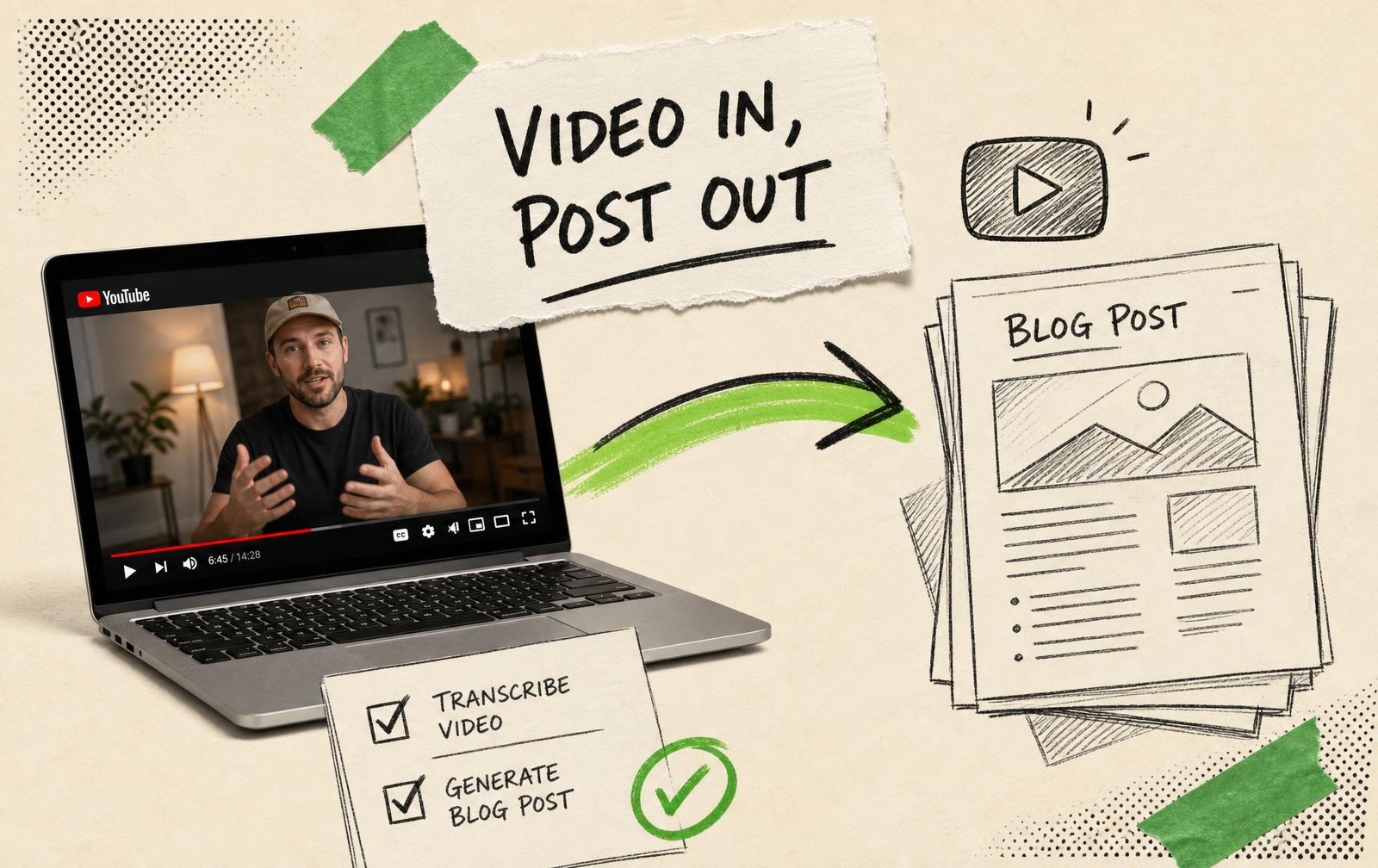
Blogify is an AI tool that converts existing content into blog drafts. Point it at a YouTube video, upload audio, or paste a URL, and it produces a structured post: headings, paragraphs, a meta description, image suggestions.
The workflow in practice:
1. Connect a source. Link your YouTube channel, upload an audio or video file, or paste any URL.
2. Generate. Blogify transcribes, then restructures the transcript into an article. Not a raw transcript dump, an actual article shape with an intro, sections and a close.
3. Edit. The built-in editor is where you fix voice and facts. More on why this step is non-negotiable below.
4. Publish. It pushes directly to WordPress, Medium, Shopify and most major platforms, or you copy the output into your own CMS.
The features that matter beyond the core loop:
- YouTube connect with automation. New uploads can become drafts automatically: the "set it and forget it" mode. Useful, and also exactly the mode we would warn you about, because automatic generation plus automatic publishing equals unedited AI content at volume.
- SEO scaffolding. Titles, meta descriptions, heading structure and keyword placement arrive pre-built. Serviceable, not magical. It will not do keyword research for you.
- Writing snippets. Reusable blocks (your bio, your standard CTA, your disclaimer) that get inserted into every draft. Small feature, real time-saver.
- Affiliate link insertion. It can weave your affiliate links into relevant drafts. Genuinely unusual at this price point, and clearly aimed at the monetized-blog crowd.
- Analytics. Basic performance tracking across published posts.
What actual users say
Blogify currently holds a 4.7 out of 5 on Trustpilot across 62 reviews, a 4.7 on G2, and a 5.0 on Facebook across 51 reviews. Strong scores for a young tool.
The consistent praise across those platforms: the interface is genuinely easy, the podcast-to-post and video-to-post conversion works as advertised, and reviewers repeatedly say the output does not read robotic. The last one surprised us. That matches our experience: the drafts read fluent. Fluent and generic, but fluent.
The complaints are worth reading closely, because they are not about the output. Trustpilot reviewers report plan inclusions changing under long-time customers, and periods of unresponsive customer support. That is the classic risk of building your workflow on a small, fast-moving SaaS: the tool works, and the company around it is still growing up. Budget-conscious reviewers also flag that costs climb once you exceed the entry tiers.
Our read: the product earns its ratings, and you should go in with your eyes open about the vendor risk. Export your content regularly, own your blog on your own domain, and treat any single tool as replaceable.
Where it still needs a human
The drafts are drafts. Left unedited, they read like what they are: competent AI summaries. Three things we would always fix by hand:
- Voice. The output is neutral to a fault. Your phrasing, your opinions, your local references have to be put back in. A Pilsen accountant's post should not read identically to a Miami dropshipper's.
- Facts and numbers. Anything specific (prices, dates, names, claims) needs checking against the source recording. Transcription errors propagate silently, and a mis-heard number published under your name is your error, not the tool's.
- The opening. AI intros throat-clear. Cut the first paragraph and start where it gets interesting. This single edit improves almost every generated draft.
There is also the Google question, and it deserves a straight answer. Google's published position is that it rewards helpful content regardless of how it is produced and demotes content produced primarily to manipulate rankings. In practice, sites publishing high volumes of unedited AI content have been hit hard in recent core updates, while sites using AI as a drafting tool behind human editing have been fine. The tool is not the risk. Publishing without reading is the risk.
The workflow we actually recommend
For a member with a weekly podcast, this is the loop that works:
1. Record the episode (ours do it in the studio upstairs).
2. Run it through Blogify the same day, while the conversation is fresh in your head.
3. Spend 20–30 minutes editing: cut the intro, insert your opinions, verify every number, add links to your own pages and to sources.
4. Add one thing that was NOT in the episode: a follow-up thought, a reader question, an update. Now the post has independent value.
5. Publish on your own domain first, syndicate elsewhere after.
That turns a 40-minute episode into a durable search asset for half an hour of editing. Skip step 3 and 4 and you are publishing filler under your own name.
Pricing
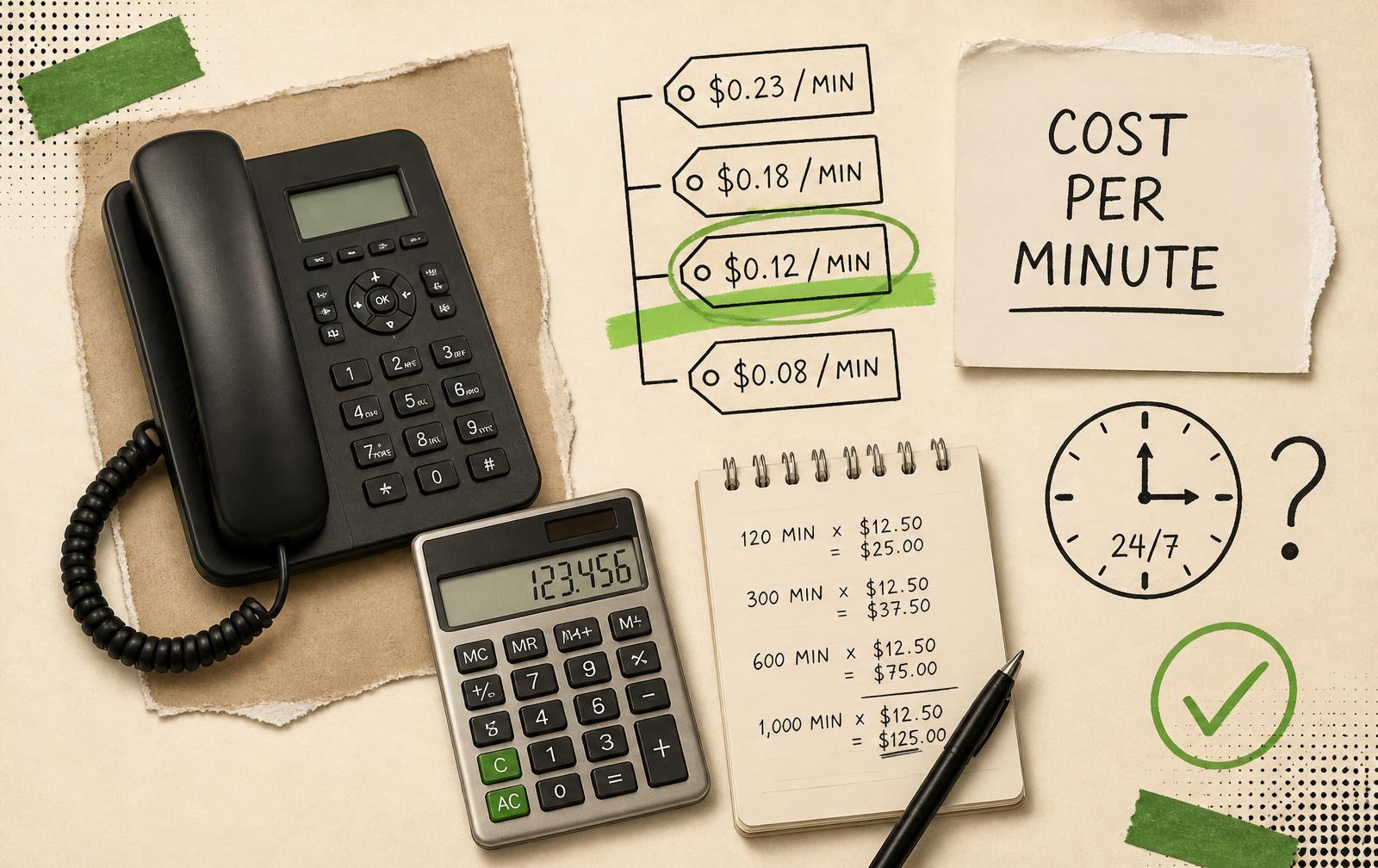
Blogify currently runs from a free tier and a Lite plan around $3.99/month, with the plans most solo creators actually need starting around $15/month, scaling by volume and features. Pricing has shifted more than once (one of the Trustpilot complaints), so the current pricing page is the only number worth trusting.
Compared to alternatives: a human writer turning your episodes into posts costs $75–$300 per post depending on quality; generic AI chat tools are cheaper than Blogify but make you do the transcription, structuring and publishing plumbing yourself. Blogify's price buys the plumbing.
Who should use it
- Podcasters and YouTubers with a back catalog and no written presence: the strongest case by far. Fifty episodes is fifty drafts.
- Service businesses that record client Q&As and want them working as search content.
- Solo founders who talk fluently but stall at the blank page. If your best thinking happens out loud, this meets you there.
Who should skip it: anyone whose content advantage *is* the writing. If your voice is the product (newsletter writers, essayists, anyone paid for prose), a summarizer flattens exactly the thing people come for. And anyone planning to auto-publish without editing should save the subscription and the reputation damage.
The bottom line
Blogify is a good transcription-and-structure engine at a fair price, with real user satisfaction (4.7 on Trustpilot) and real vendor-maturity risks the reviews document honestly. It is not a replacement for an editor. It is a way to make the editor's job take thirty minutes instead of three hours.
If you record here at the studio, this is one of the tools we point members at, alongside the rest of the Business Suite discounts. Try it on one episode via the free tier before paying for anything.
Frequently asked questions
Will Google penalize me for publishing AI-written posts?
Google says it rewards helpful content regardless of how it is produced, and demotes content made primarily to game rankings. In practice: unedited AI drafts published at volume get suppressed in core updates, and edited drafts with real expertise added do fine. The tool is not the risk. Publishing without reading is the risk.
Isn't this just making internet spam faster?
It can be, and plenty of people use it that way, which is exactly why edited beats raw. Your advantage is not that you can generate an article; anyone can now. Your advantage is the thirty minutes of opinion, correction and local detail you add that a spammer will not bother with.
If AI wrote it, why would anyone read it?
Nobody reads content because of who typed it. They read it because it answers their question. Blogify's job is the typing; your job is making sure the answer is actually yours. The take, the numbers, the thing you would say across a desk.
Do you only recommend Blogify because of the affiliate commission?
We earn a commission if you subscribe through our links, which is disclosed at the top. The criticism stays in anyway: the drafts are flat without editing, reviewers document real support and plan-change complaints, and anyone whose product is their writing voice should skip it entirely. If the commission decided our opinion, those sentences would not exist.
Can readers tell the difference?
Between raw AI output and a human? Increasingly, yes: uniform sentence length, no opinions, and a throat-clearing intro give it away. Between an AI draft a human rewrote and a human draft? Almost never. That edit pass is the whole game.
What do Blogify's own users complain about?
Not the output. The vendor. Trustpilot reviews cite plan inclusions changing under existing customers and stretches of slow support. Reasonable precautions: own your blog on your own domain, export regularly, and treat any single tool as replaceable.
Should I still hire a writer?
If writing is a core part of how you win customers, yes. Tools raise the floor, not the ceiling. If writing is a chore you currently skip entirely, Blogify plus your own editing beats the nothing you are publishing now.